
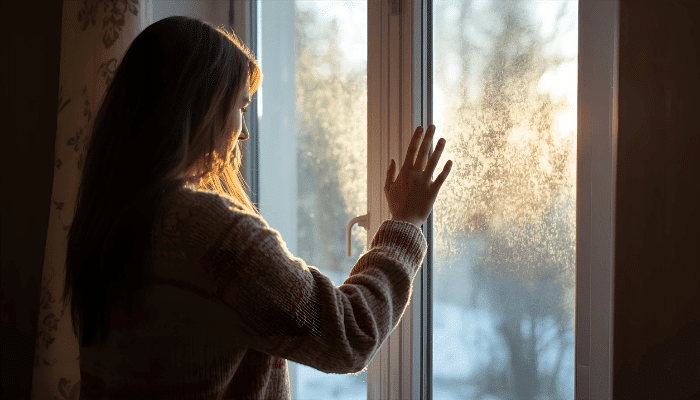
The Hidden Reasons Your Home Still Feels Cold
When the temperatures drop in New Hampshire, nothing feels worse than cold air drifting through your home, even while the heat is running. If you keep bumping up the thermostat but certain rooms still feel chilly, there’s usually an underlying issue affecting both comfort and efficiency.
Here are the most common reasons your home may feel drafty, along with what you can do to fix them.
1. Air Leaks Around Windows and Doors
Small gaps or worn weatherstripping allow cold outdoor air to slip inside. These leaks create drafts and make your heating system work harder to maintain the temperature.
What to watch for:
- Cold air around window frames
- Gaps around doors
- Curtains moving unexpectedly
What helps: Seal gaps, replace weatherstripping or consider upgrading older windows if needed.
2. Poor Insulation Throughout the Home
Even a perfectly working heating system can’t overcome heat loss from insufficient insulation in attics, basements, crawl spaces and exterior walls. This is one of the most impactful upgrades you can make for comfort and energy savings. Strengthening your insulation improves your home’s building envelope, reduces energy consumption and helps your heating system maintain consistent temperatures.
Signs include:
- Uneven room temperatures
- Cold floors or walls
- Rising heating costs
Upgrading insulation is among the top recommendations when GSMS designs heating systems, as it significantly improves comfort and reduces drafts throughout the home.
3. Restricted Airflow in Your Heating System
If warm air can’t circulate properly, rooms may feel drafty or unevenly heated. Common causes include clogged filters, blocked vents, leaking ductwork, or closed dampers. Start by checking your filter and ensuring all vents are open. If drafts persist, a professional airflow inspection may be needed.
4. Thermostat or Smart Thermostat Misreadings
Your thermostat’s location plays a major role in how well your home heats. Suppose it’s installed near a drafty window, exterior door, or uninsulated wall. In that case, it may misread the temperature and shut the heat off too early — leaving certain rooms feeling cold or drafty.
Smart thermostats are especially sensitive to placement. Features like auto-scheduling, learning modes, or eco settings rely on accurate readings to adjust temperatures properly.
Some smart thermostats, like the Lennox S40 and Ecobee models, offer wireless room sensors. These sensors pick up temperatures from multiple areas in the home and create an average reading, helping your system heat more evenly and improve comfort in rooms that tend to run colder.
Best placement tips:
- Install on an interior wall in a frequently used room
- Avoid areas near windows, doors, or cold drafts
- Keep away from heat sources like lamps, ovens, or direct sunlight
- Ensure the Wi-Fi signal is strong to avoid performance interruptions
Correct placement helps both standard and smart thermostats read temperatures accurately and keep your home consistently comfortable.
5. Cold Air Coming From Attics or Basements
Gaps around attic hatches, plumbing penetrations, or chimney openings can let cold air funnel into your home. These areas are often overlooked but can be major contributors to drafts and heat loss.
Air sealing these spots can stop drafts at their source and help stabilize indoor temperatures. In the attic, installing an insulation cover over your pull-down stairs or access point makes a significant difference by preventing cold air from escaping into living spaces.
6. An Undersized or Aging Heating System
If your furnace or boiler is aging or improperly sized, it may struggle during peak cold months. This often results in long run times and poor comfort. A system evaluation can determine whether tuning, repairs, or replacement will help.
7. Low Indoor Humidity
Dry winter air makes a draft feel even colder. Low humidity reduces comfort and forces you to run your heating system more often.
A whole-home humidifier can help maintain ideal humidity levels for winter comfort.
When to Call a Professional
If drafts persist after basic checks, it’s time to have your heating system and ductwork inspected. Our trained technicians can identify insulation gaps, airflow issues, or system performance problems that aren’t visible to homeowners.
Ready to Make Your Home Feel Warmer?
Our team can pinpoint the cause of drafts and restore comfort quickly. Call 603-424-8258 or schedule service online.