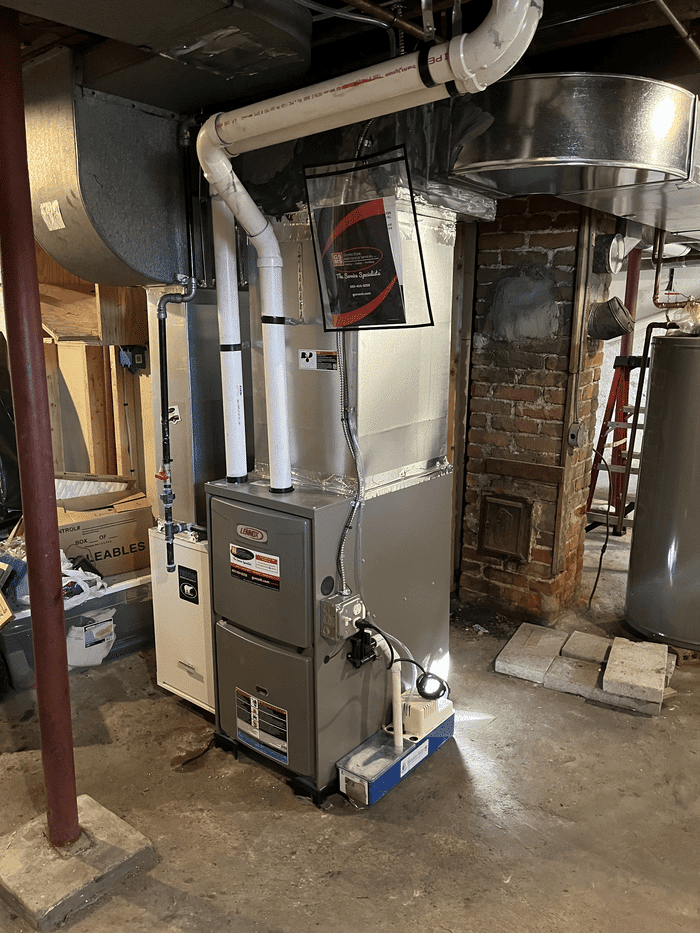
New Hampshire winters do not ease into things. One week you are raking leaves, the next you are asking your furnace to run for months without a break. So when it starts making a new noise, short cycling, or driving your heating bill up, the question every homeowner eventually faces is the same: do I repair this furnace, or is it time to replace it?
There is no single right answer, but there is a smart way to think it through. Below is the same framework our heating and cooling Specialists use with Clients across the Manchester area, so you can walk into the decision with clear eyes before the coldest weather arrives.
When a repair usually makes sense
If your furnace is relatively young and well maintained, a repair is often the right call. Lean toward repair when:
- The furnace is under about 10 to 12 years old.
- It has been reliable and this is a first or occasional issue.
- The failed part is a common, affordable one, such as an ignitor, flame sensor, or capacitor.
- The repair cost is a small fraction of what a new system would run.
- It has a documented maintenance history and is still running efficiently.
Many "my furnace stopped working" calls come down to a worn part rather than a failing system. Our Specialists diagnose the actual cause and give you an honest recommendation instead of defaulting to replacement. You can start with our furnace repair page to see how we approach it.
When replacement is usually the smarter call
Replacement tends to win out when the repairs stop being one-offs and start becoming a pattern. Lean toward replacing when:
- The furnace is 15 years or older (most last about 15 to 20 years).
- You are facing a major repair, such as a heat exchanger, control board, or blower motor.
- It has needed multiple repairs in the last couple of seasons.
- Your energy bills keep climbing even though nothing else has changed.
- Some rooms never get comfortable, or the system runs almost constantly on cold days. Our blog on why your furnace struggles to keep up on the coldest New Hampshire nights digs into that pattern.
A helpful gut check many people use is the repair-cost-times-age rule: if the repair cost multiplied by the age of the furnace is more than about 5,000, replacement is usually the better long-term value. It is a rough guide, not a law, but it captures the real trade-off between sinking money into an old system and investing in a new one.
Efficiency: what AFUE means for your winter bill
Furnace efficiency is measured in AFUE (Annual Fuel Utilization Efficiency), which is simply the percentage of fuel your furnace turns into usable heat. Older units often run around 70 to 80 percent AFUE, and by the end of their life they can drop lower. Today's high-efficiency furnaces reach up to about 95 to 98 percent AFUE.
Over a long New Hampshire heating season, that gap adds up. If you are repairing a 20-year-old furnace for the second or third time, part of the true cost is the money it quietly wastes every month it runs. Replacing an aging, low-efficiency furnace with a modern high-efficiency furnace installation can lower your monthly heating cost and give you steadier comfort at the same time. As a Lennox Premier Dealer, GSMS can also walk you through whether a heat pump could heat your NH home as an efficient alternative or companion to a furnace.
The one exception where safety decides for you
Most repair-or-replace decisions come down to money and comfort. One does not: a cracked heat exchanger. The heat exchanger is the component that keeps combustion gases, including carbon monoxide, separated from the air you breathe. If it cracks, that separation is compromised.
Carbon monoxide is colorless and odorless, so you cannot rely on your senses to catch it. If a Specialist finds a cracked or failing heat exchanger, the safe course is almost always to stop using the furnace and replace it, not to patch it. This is not a DIY situation and not one to put off. Make sure you have working carbon monoxide detectors on every level of your home, and if a detector ever alarms, get everyone outside to fresh air and call for help before anything else. When in doubt, call GSMS and let a Specialist inspect it.
Rebates, tax credits, and financing can change the math
Before you assume a new furnace is out of reach, look at what is available to offset it. High-efficiency heating equipment can qualify for utility rebates and federal tax credits, and manufacturer promotions come and go throughout the year. A few starting points:
- Current Lennox 2026 rebates for qualifying systems.
- Our guide to tax credits for home comfort in NH.
- Flexible financing options, including promotional 0% offers on qualifying projects.
Between incentives and financing, a replacement that felt like an emergency expense often becomes a manageable, planned upgrade, especially when you do it before winter instead of during a breakdown.
Not sure which way to go? Here is how GSMS helps you decide
The honest truth is that the right answer depends on your specific furnace, your home, and your budget, and a good diagnosis is worth more than any online rule of thumb. When our Specialists come out, they inspect the system, identify the real problem, check safety-critical components, and lay out your options with upfront pricing so you can choose with confidence.
[Zak intake placeholder: add a short real example here of a recent Manchester-area repair-or-replace call, what GSMS found, and how the homeowner decided. Keeps this section first-hand and on-brand rather than generic.]
The best time to make this call is now, on your terms, rather than at 6 a.m. on the coldest morning of the year. If your furnace is aging or acting up, book a heating assessment and get a clear recommendation. See typical costs on our heating and cooling pricing page, and ask about keeping your system healthy year-round with the Home Club.
[CTA buttons: Schedule furnace service → /contact/ | Get a replacement quote → /nh-furnace-system-installation-replacement/ | Call (603) 424-8258 → tel:]
Furnace repair or replace FAQs
(Recommendation: mark this block up with FAQPage schema so it is eligible for rich results and AI Overviews.)
How long does a furnace last?
Most furnaces last about 15 to 20 years with regular maintenance. Once a furnace passes the 15-year mark and starts needing repairs, replacement often becomes the better long-term value.
Is it worth repairing a 15-year-old furnace?
Sometimes, if the repair is minor and the system is otherwise healthy. But at 15 years or older, a major repair such as a heat exchanger or blower motor usually points toward replacement, especially given the efficiency you gain from a new unit. A GSMS Specialist can tell you which situation you are in.
How do I know if my furnace needs to be replaced?
Watch for a furnace that is 15 years or older, needs frequent or expensive repairs, drives up your energy bills, struggles to keep the house comfortable, or has a safety issue like a cracked heat exchanger. Any one of these can justify replacement; several together usually settle it.
Can a cracked heat exchanger be repaired?
In almost all cases, no. A cracked heat exchanger is a carbon monoxide safety risk, and the safe, recommended fix is to replace the furnace rather than attempt a patch. Stop using the furnace and have a Specialist inspect it right away.
Should I replace my furnace before winter?
Yes, if it is aging or unreliable. Replacing on your schedule before the season means no rushed decisions, better equipment availability, and no going without heat during a cold snap. It also gives you time to take advantage of rebates and financing.
Ready for a straight answer on your furnace?
Do not wait for a breakdown to force the decision. Whether your furnace needs a quick repair, a full replacement, or simply a tune-up to get through the season, GSMS gives you an honest recommendation backed by our Great Service Promise and the 5-star service our Clients count on.
Call GSMS today at (603) 424-8258 or request service online to schedule your heating assessment before winter sets in.